Currently LEHO has established 21 villages all over Ladakh
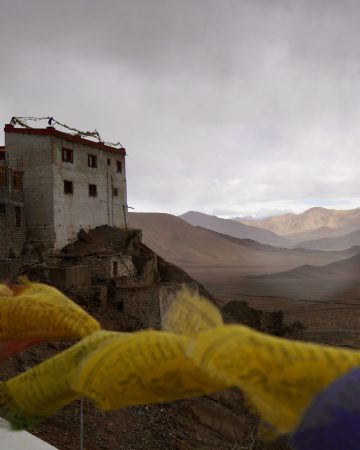
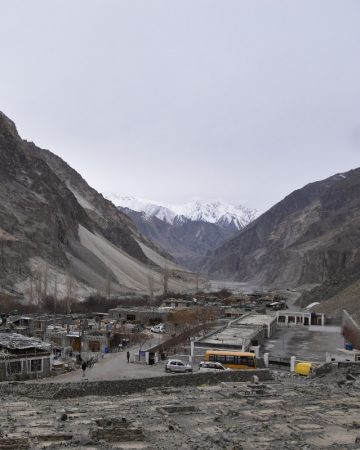
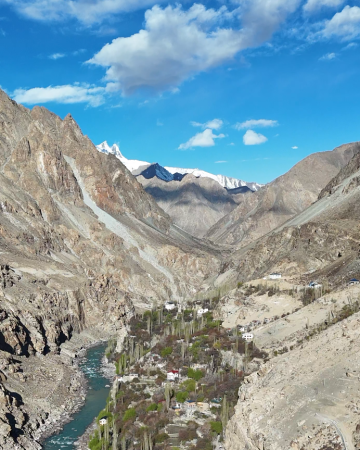
As more regions and countries develop their tourism industry, it produces significant impacts on natural resources, consumption patterns, pollution and social systems.
Supported by LEHO – Ladakh Environment and Health Organization
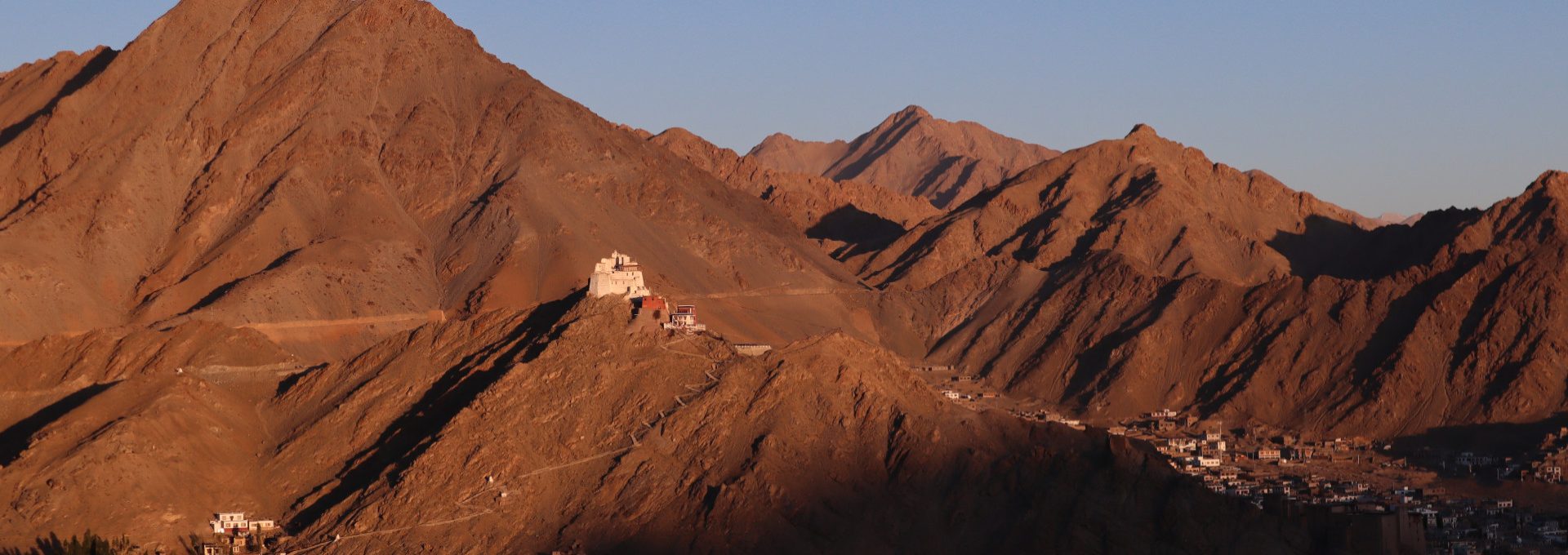
Currently LEHO has established 21 villages all over Ladakh
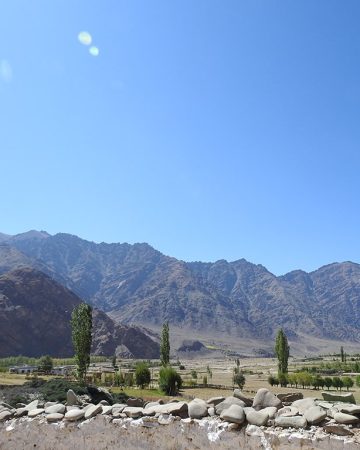
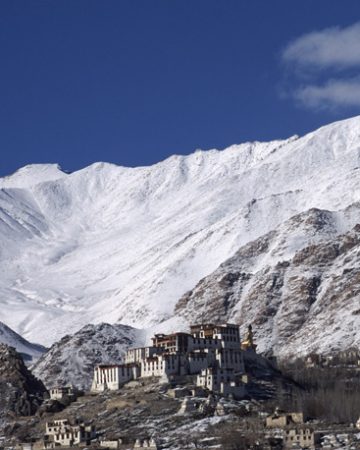
Likir is a village and headquarter of eponymous Subdivision in the Leh district of Ladakh, India. It is located in the Likir tehsil, in the Ladakh region.
→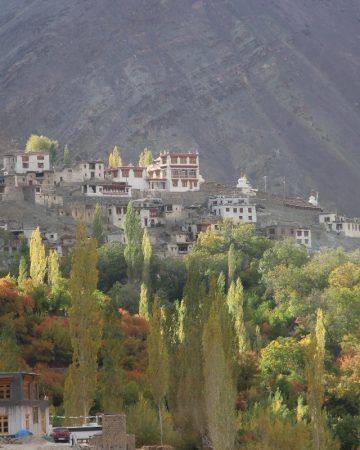
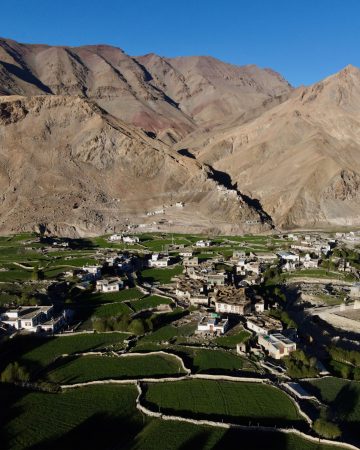
Takmachik is a village in the Leh district of the Indian union territory of Ladakh. It is located in the Khalsi tehsil, around 14 km from the Khaltsi and 112 km west of the district headquarters Leh.
→
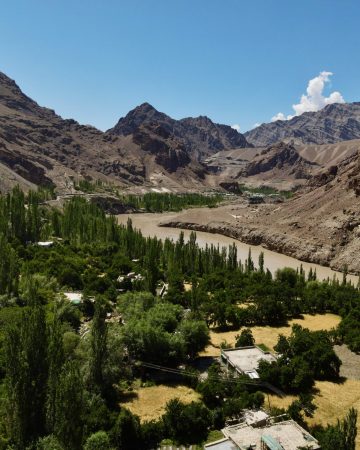
Gya is located 80km south-east of Leh, on the Leh-Manali HIghway. It impresses its visitors with natural beauty.
→
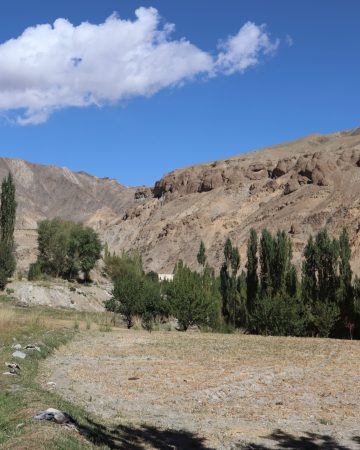
Located 140km north-west from Leh, Achinathang is a village with a special history at the bank of the Indus river.
→
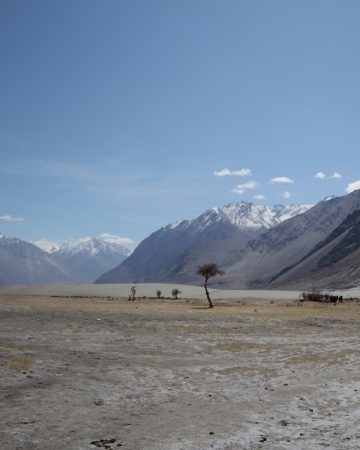
Wanla lies 110km west of Leh in a narrow valley near Khaltse. The village is the perfect starting point or stop on hikes.
→
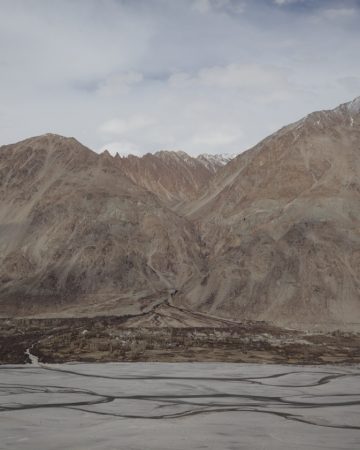
Just 20km north from Diskit, in between Hunder and Turtuk lies Skampuk. It offers a calm stay near the Shyok river.
→
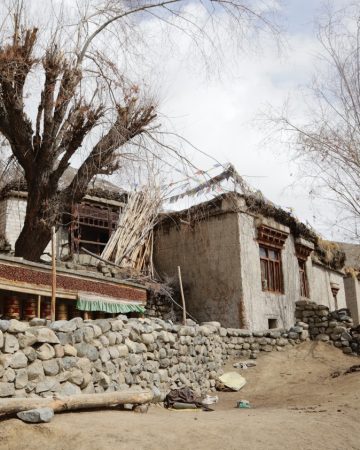
Panamik is located 55km from Diskit, away from the main routes of Nubra but with equally beautiful nature.
→
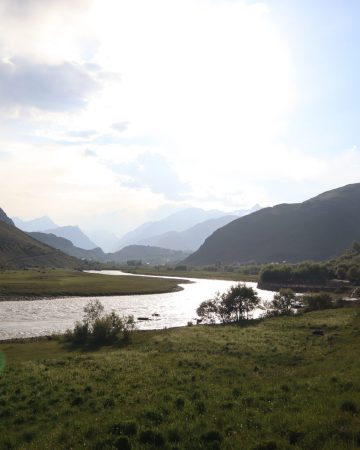
Tia, 90km from Leh, offers a stunning landscape and interesting history while being a great trekking destination.
→
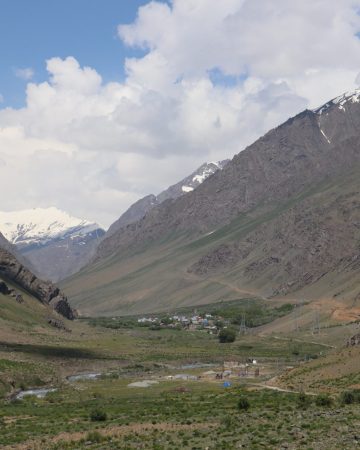
Located on the highway from Leh to Srinangar, 50km away from Kargil, is Bhimbat. A village known for its war memorial as well as stunning nature.
→
Mushkoo, home of the brown bears, is located close to the Leh-Srinangar-Highway, just 70km from Kargil.
→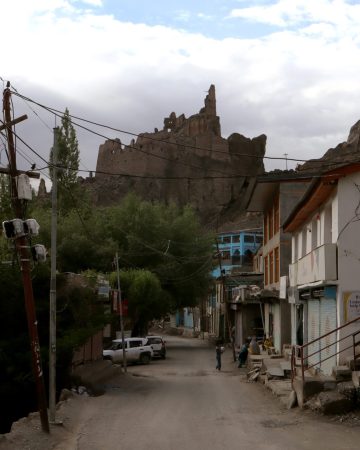
Chitkan, a village popular among motorcyclists, is home to ancient castle ruins. It is located 170km from Leh in the Kargil district.
→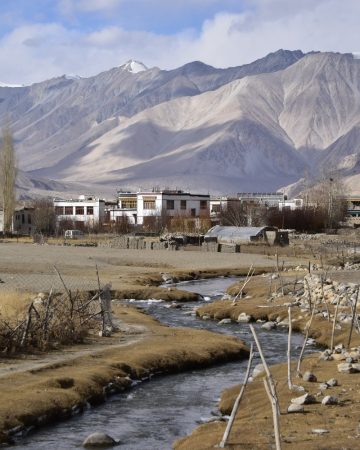
Tangtse lies on the way to the famous Pangong Lake, on your way there you will cross one of the worlds highest motorable passes.
→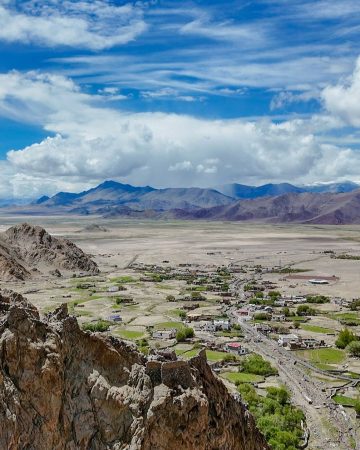
Mudh is located 195 km south-east of Leh in the Changthang region. It offers special insight into nomadic history, wildlife conservation, and flawless high-altitude wetlands.
→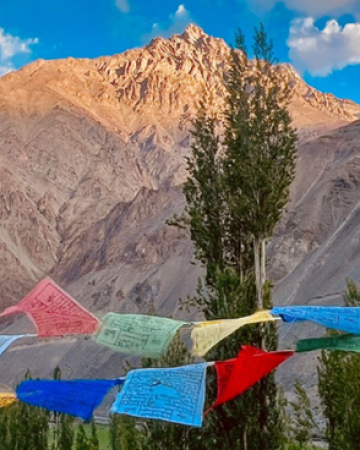
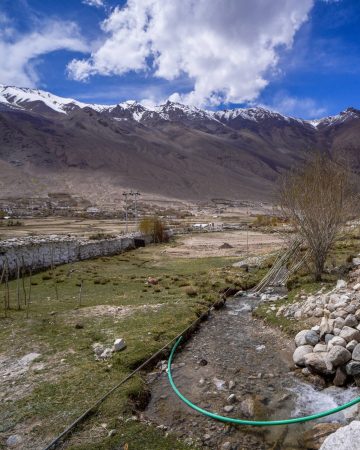
Mangyu is a remote Himalayan village nestled deep in the Sham Valley, renowned for its centuries-old monastery, traditional mud-brick houses, and pristine landscapes.
→
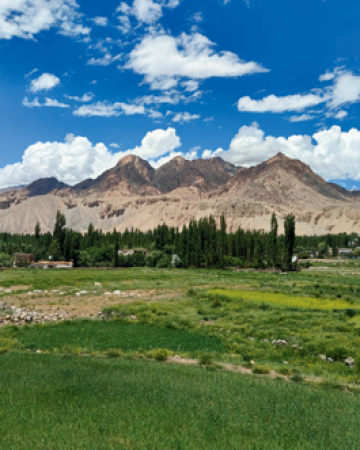
Khardong is located 73 km from Leh in the shadows of the Khardung La pass. It offers a breathtaking glimpse into high-altitude agropastoral life and sustainable slow living.
→
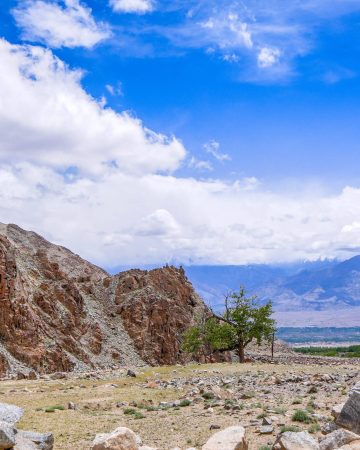
Nimoo is located 35 km from Leh on the Leh-Srinagar Highway at the spectacular Sangam confluence. It impresses visitors with lush green fields, rich culture, and river adventures.
→
Stakmo is located 27 km from Leh and derives its name from the Ladakhi word for tiger. It is a model of self-sustainability featuring historic monasteries and serene trekking trails.
→As more regions and countries develop their tourism industry, it produces significant impacts on natural resources, consumption patterns, pollution and social systems.